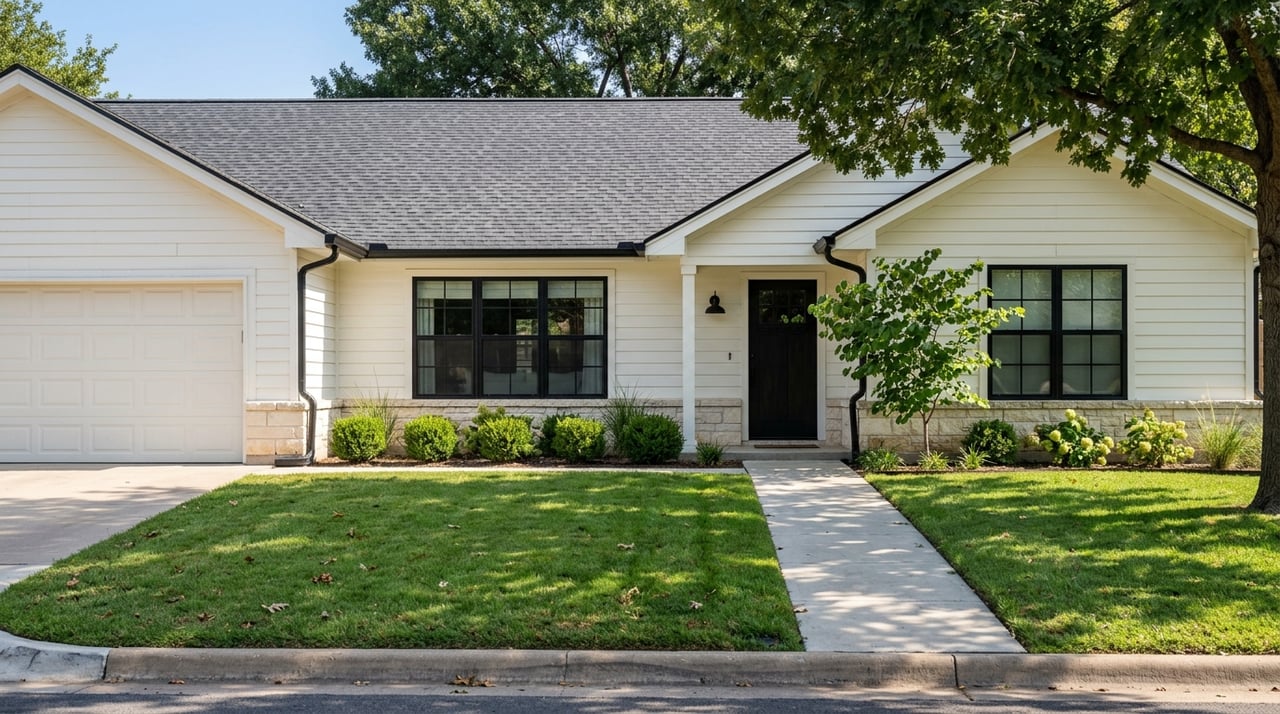
Broken Arrow New Construction vs Resale: How to Choose
Trying to decide between a brand-new home and a resale in Broken Arrow? You are not alone. For many move-up buyers, this choice comes down to more than style. It affects your timeline, budget, and how much uncertainty you want to take on. The good news is that both options can make sense in Broken Arrow if they match your goals. Let’s break down what to consider so you can choose with confidence.
Broken Arrow’s resale market is somewhat competitive. In February 2026, the median sale price was $278,500, homes took about 57 days to sell, and the average sale-to-list ratio was 98.6%, with some homes receiving multiple offers, according to local housing market data.
At the same time, Broken Arrow is planning for significant growth over the next 5 to 10 years. City planning materials show that much of that future development is expected on mostly undeveloped parcels, with residential growth focused largely in the north and central parts of the city, while south Broken Arrow continues to see infrastructure and mixed-use investment, according to the city’s development planning materials.
That means your choice is not just about the house itself. It can also shape the kind of surroundings, lot setting, and move-in timeline you will experience.
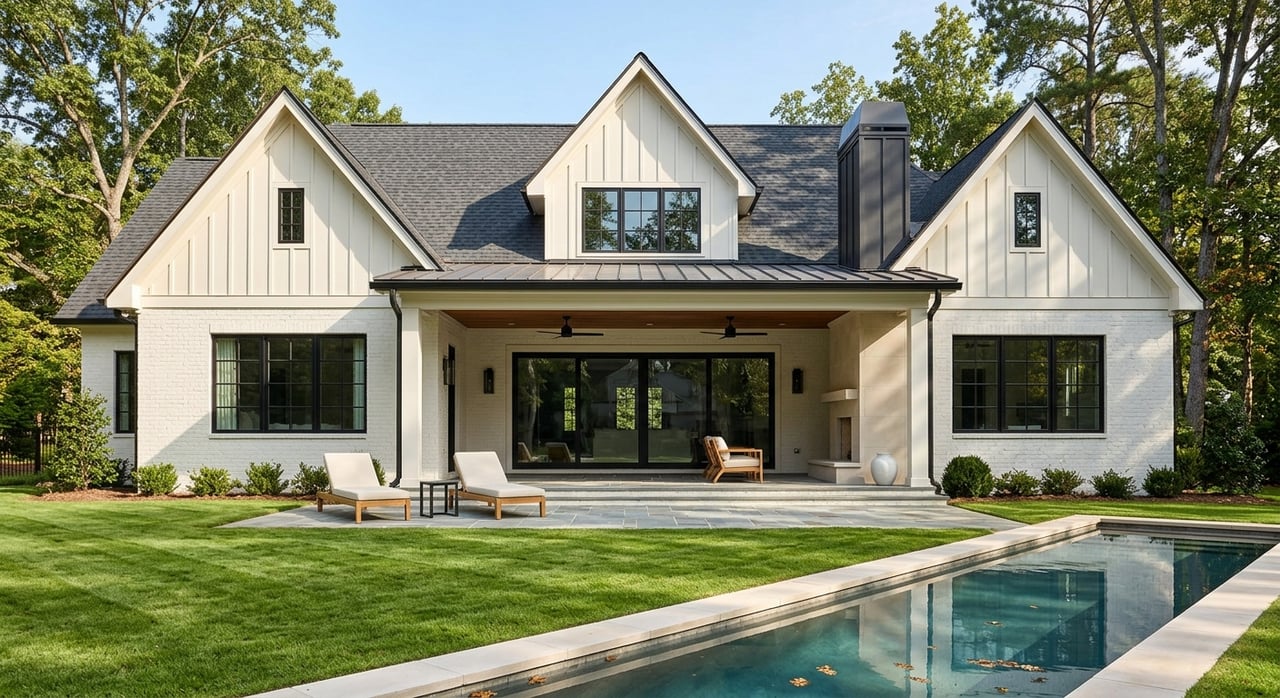
New construction often appeals to buyers who want a cleaner starting point and more control over design choices. Depending on the stage of construction, you may be able to select finishes, materials, or upgrades that fit your taste and budget.
There can also be builder incentives. Freddie Mac’s guidance on buying new construction notes that builders may offer upgrades or help with closing costs instead of reducing the base price. That can create value, but it is still important to compare the full cost carefully.
In Broken Arrow, new homes must go through the city’s permitting and inspection process. The city states that permits are required for structures built within city limits, and its inspections team helps ensure new structures meet current adopted codes and receive certificates of occupancy through the permitting and licensing process.
A new home does not always mean a simple purchase. If the home is not finished yet, you may need to wait through the build process, and delays can happen. Freddie Mac recommends understanding the projected completion date and reviewing warranty terms closely before you commit.
Costs can also look different with a new build. The Consumer Financial Protection Bureau says builders may ask for an upfront builder deposit, also called earnest money, on homes that are not yet completed. You should ask when that deposit is refundable and get the answer in writing.
You should also plan for total cash needs, not just the list price. CFPB says closing costs typically run about 2% to 5% of the purchase price, not including your down payment, based on its homebuying cost guidance.
That last question matters. CFPB says you are not required to use the builder’s preferred lender, even if incentives are offered through one. Shopping lenders can still be a smart move.
Resale homes offer something new construction often cannot: a fully visible property and surroundings. The home already exists, so you can walk through the actual layout, evaluate the yard, observe the street, and get a clearer feel for the area before closing.
That can be especially helpful in a city like Broken Arrow, where some areas are more established and others are still growing. Based on city planning materials, resale homes are more likely to be found in existing neighborhoods, while new construction may be concentrated in growth areas tied to undeveloped land.
Resale buyers in Broken Arrow may need to be prepared for both competition and negotiation. While some homes receive multiple offers, the average home still sells about 1% below list price, and price drops are common, according to Broken Arrow market trends.
The biggest tradeoff with resale is usually maintenance. Older homes may come with aging systems, deferred updates, or repair needs that are not always obvious at first glance.
CFPB notes that ownership costs can include maintenance and repairs, property taxes, insurance, HOA fees, and utilities, and those costs can increase over time. If you are buying resale, it helps to reserve part of your budget for both expected and unexpected work after closing.
Inspection protections also matter. The National Association of Realtors defines existing homes as homes that were previously owned and occupied, and CFPB recommends using inspection and financing contingencies so you are not locked into the purchase if serious issues come up during the process.
Here is a simple way to think about the choice:
| Factor | New Construction | Resale |
|---|---|---|
| Timeline | May require waiting for completion | Often faster move-in |
| Customization | More options for finishes and upgrades | Usually buy as-is, with future updates if desired |
| Upfront Costs | May include deposits, selections, and closing costs | May allow more flexibility to reserve cash for repairs or renovations |
| Surroundings | Often in developing areas | Often in established areas |
| Condition | New systems and materials, but still should be inspected | Existing condition is visible, but repairs may be needed |
| Negotiation | Incentives may replace price cuts | Price negotiation may be more common |
For most buyers, the best answer is not universal. It depends on how you prioritize timing, cash flow, and project tolerance.
Even then, do not skip due diligence. Freddie Mac recommends getting a home inspection on a brand-new home before move-in.
If your budget is tight, resale can also make sense if you would rather keep some cash available after closing instead of putting it into deposits and upgrades during construction.
If school assignment is part of your decision, verify it by exact address. Broken Arrow is served by both Broken Arrow Public Schools and Union Public Schools in different areas, so district assumptions based only on neighborhood name can be inaccurate, according to the city’s planning materials.
This is especially important when comparing new construction in growth areas with resale homes in more established parts of town.
Warranties can sound reassuring, but the details matter. A builder warranty on a new home is not the same as a separately purchased home warranty or service contract.
The Oklahoma Insurance Department says separately sold home warranty or service-contract providers must be licensed in Oklahoma, and it specifically distinguishes those products from a builder’s no-consideration warranty on new home construction. Before you rely on any warranty, make sure you understand who provides it, what it covers, and how claims are handled.
In Broken Arrow, both new construction and resale can be strong options. New construction tends to offer more control, a fresh start, and fewer immediate projects. Resale tends to offer faster occupancy, more established surroundings, and the chance to inspect the exact home before you buy.
The key is matching the home to your timeline, financial comfort level, and day-to-day preferences. If you want steady local guidance as you compare options across Broken Arrow and the greater Tulsa area, Susan Olivarez is here to help you make a confident next move.
Stay up to date on the latest real estate trends.
Receive support in evaluating the current property's worth, formulating a compelling bid, composing and haggling over a contract, and a host of other services. Reach out to me now.