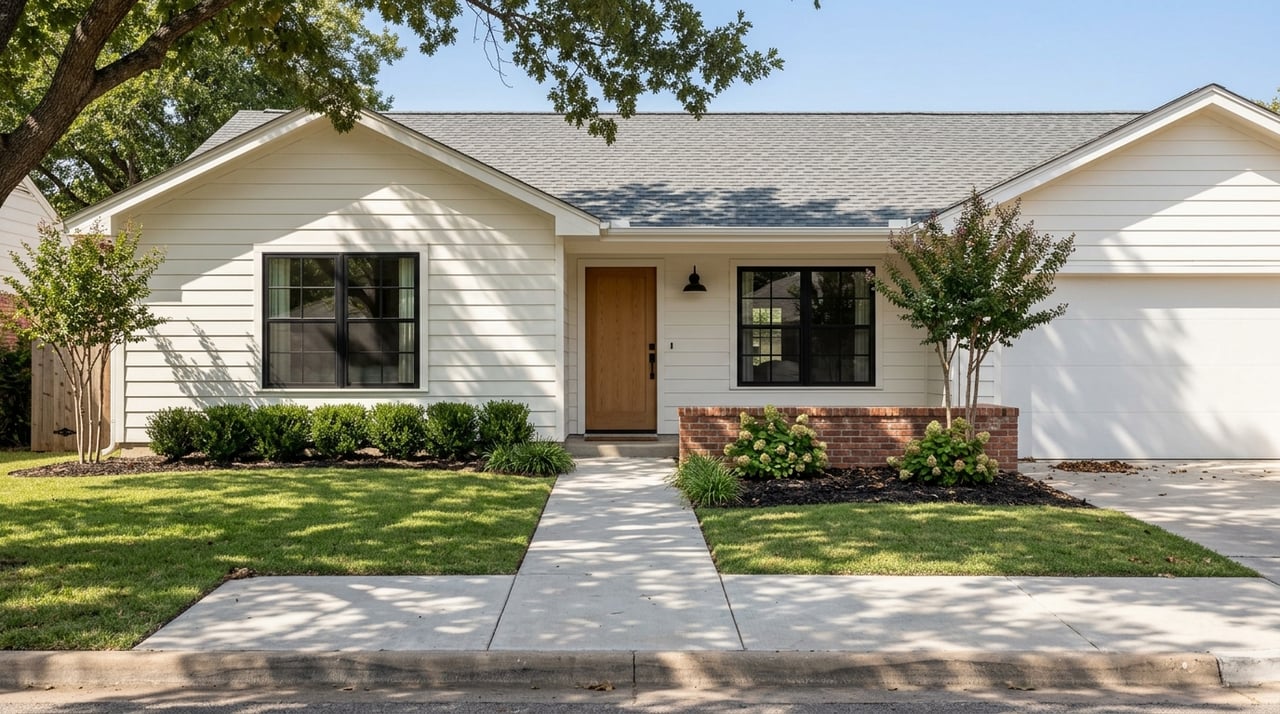
How To Price Your Broken Arrow Home To Attract Buyers
Wondering why one Broken Arrow home gets strong interest in the first week while another sits? In this market, pricing is not just a number you pick. It is a strategy that shapes how buyers respond, how long your home stays on the market, and how smoothly your sale moves forward. If you want to attract serious buyers without leaving money on the table, the right pricing approach matters from day one. Let’s dive in.
Broken Arrow gives sellers a useful but mixed market picture, which is exactly why careful pricing matters. In May 2026, Zillow estimated the average Broken Arrow home value at $289,352 and said homes go pending in about 22 days. Redfin reported a median sale price of $298,484, with homes selling in about 47 days and averaging about 2 offers.
Realtor.com added another layer, showing 732 homes for sale, a median listing price of $360,000, a median 47 days on market, and a 100% sale-to-list ratio. These numbers do not match exactly because each source measures the market differently. Still, they point to one clear takeaway: buyers are active, but they are also comparing options closely.
For you as a seller, that means a pricing mistake can show up fast. If your home is priced well, you may see early attention and solid showing activity. If it is priced too high, buyers may move on quickly in a market with hundreds of competing listings.
The best place to begin is with comparable sales, often called comps. Recent sold homes in the same part of Broken Arrow offer the clearest picture of what buyers have actually been willing to pay. That matters more than looking only at what other sellers hope to get.
A strong pricing analysis should also include homes that are currently under contract and active listings that compete with yours. Sold homes show where the market has been. Pending and active homes show where buyers and sellers are meeting right now.
This is why online estimates can feel confusing. Different tools may use different comps, different time frames, and different methods, which can produce different numbers for the same home.
Not every nearby sale is a good comparison. The most useful comps are similar to your home in features buyers care about most.
Look for homes with similar:
Even within the same city, small differences can affect value. A home near a busy roadway, train line, or industrial area may be viewed differently than one in a quieter setting. Those details should be reflected in the price.
Your home’s condition is not separate from pricing. It is part of pricing. Buyers compare your home to every other listing they see online and in person, and condition plays a big role in how they judge value.
If your home needs visible repairs or feels dated compared with similar listings, buyers may expect a lower price. If it is clean, updated, and well cared for, you may have more support for a stronger asking price.
That is especially important in Broken Arrow right now, where Realtor.com reported 732 homes for sale. In a market with that many choices, preparation helps your home stand out.
Before your home hits the market, focus on the issues buyers will notice first. Visible improvements can strengthen your pricing position and help protect your momentum in the first week.
A few smart steps include:
Staging can also make a difference. According to NAR’s 2025 Profile of Home Staging, 29% of agents said staging increased the dollar value offered by 1% to 10%, 49% said it reduced time on market, and 83% said it helped buyers visualize the home as their future residence.
The rooms most often staged were the living room, primary bedroom, dining room, and kitchen. If you are deciding where to focus your effort, those spaces are a smart place to start.
Not every seller has the same goal, so not every pricing strategy should look the same. The right list price depends on what matters most to you.
If your top priority is selling quickly, a more competitive price can help create stronger early interest. If you want to test the market at a higher number, you need to be prepared for the possibility of a longer timeline.
This matters even more when you look at Oklahoma inventory trends. The statewide April 2026 report showed 6.5 months of inventory in the $250,000 to $374,999 range and 8.3 months in the $375,000 to $499,999 range. Since Realtor.com placed Broken Arrow’s median listing price at $360,000, pricing too aggressively could push your home into a slower-moving tier.
That does not mean you should automatically price below $375,000. It means your pricing should be backed by clear evidence, especially if you are near a market threshold where buyer activity may shift.
The market usually reacts quickly to a new listing. If your home is priced right, you should expect meaningful activity early, especially in the form of online views, showings, and buyer feedback.
Broken Arrow homes are generally moving in roughly three to seven weeks depending on the data source. That means the first couple of weeks can tell you a lot. If your home is not getting traffic, the market may be signaling that buyers do not see the current price as competitive.
This is one reason overpricing can be costly. A stale listing often ends up chasing the market with later price reductions, and buyers may wonder why the home has lingered.
You do not always need to wait a month to know something is off. A few early signals can suggest your list price needs a closer look.
Watch for:
When these signs show up together, pricing is often the issue, not just marketing.
Attracting a buyer is only part of the process. Your price also needs to hold up once the transaction moves forward.
If a home appraises below the contract price, that can create a problem. A low appraisal may lead the buyer to ask for a price reduction, bring in more cash, or reconsider the purchase altogether.
For sellers, this is another reason not to stretch far beyond market support. A high asking price may look good at first, but it can create negotiation trouble later if the home does not appraise.
If you want a simple way to think about pricing your Broken Arrow home, this framework works well:
This process helps you avoid two common mistakes. The first is pricing from emotion. The second is relying too heavily on online estimates without looking at what buyers are doing right now.
Pricing a home well takes more than pulling a number from a website. You need context around recent sales, current competition, buyer behavior, and how your specific property fits into the Broken Arrow market.
That is where experienced local guidance can make a real difference. A thoughtful pricing strategy can help you enter the market with confidence, attract qualified buyers, and reduce the risk of costly delays.
If you are thinking about selling in Broken Arrow, a clear pricing plan is one of the best first steps you can take. To talk through your home, your timing, and a strategy built around today’s market, connect with Susan Olivarez.
Stay up to date on the latest real estate trends.
Receive support in evaluating the current property's worth, formulating a compelling bid, composing and haggling over a contract, and a host of other services. Reach out to me now.